Kingston Council parking rules and removals permit advice
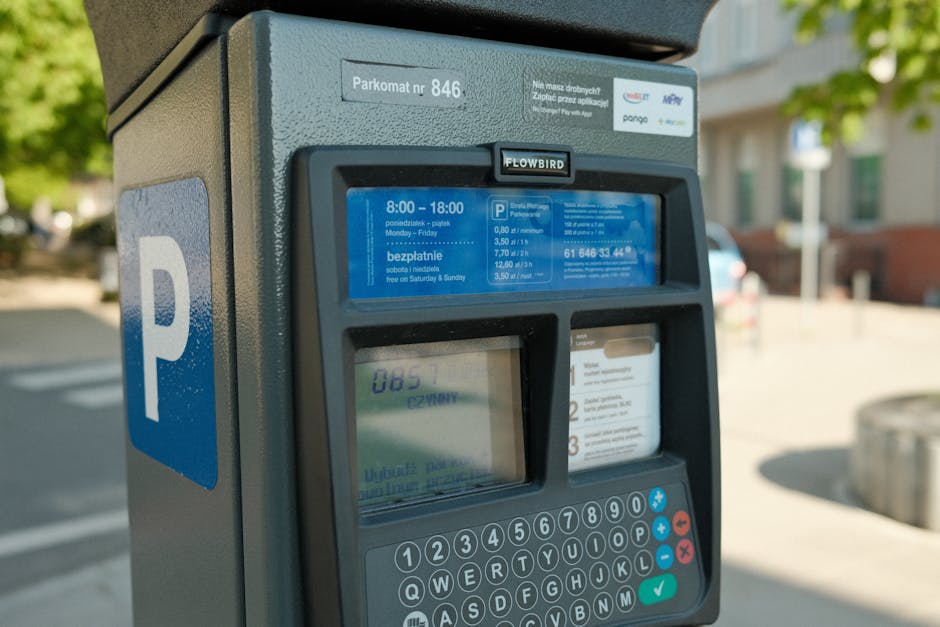
If you are moving home, collecting furniture, or arranging a bulky delivery in Kingston, parking can turn into the part everyone forgets until the lorry is circling the block. Kingston Council parking rules and removals permit advice matters because one wrong assumption can leave your van too far away, your team delayed, and your moving day suddenly more stressful than it needs to be. The good news? With a bit of planning, you can usually avoid the messy bits and keep things moving.
This guide explains how parking restrictions, loading space, and removals permits tend to work in Kingston, what to check before moving day, and how to reduce the risk of fines, complaints, or access problems. It is written for real people doing real moves, not perfect textbook scenarios. Because let's face it, moving day is rarely perfect.
Why Kingston Council parking rules and removals permit advice Matters
Parking rules are not just a background detail. They shape how quickly your removals team can load, where the van can stand, whether your lift-and-carry distance becomes manageable, and how smoothly the whole day runs. In a place like Kingston, with busy roads, residential parking controls, and narrow access in some streets, that can make a big difference.
Most moving-day headaches start small. A bay is occupied. A suspension notice was missed. The van cannot stop where you expected. Then suddenly furniture is being carried an extra hundred metres, and the clock is quietly ticking. That is why sensible permit planning is not a "nice to have". It is part of the move itself.
It is also about courtesy. Your neighbours may not mind a van for an hour, but they will notice if it blocks access, sits in a restricted bay, or leaves rubbish, straps, and packing debris behind. Kingston moves often happen in dense streets, flats, and mixed-use areas, so thinking ahead is simply the fair thing to do.
If you are moving a flat, student room, family home, or office, it helps to understand the local layout as well as the rules. Our team regularly sees that access knowledge and parking planning are just as important as the boxes. If you are researching the wider move process too, the overview on removal services in Kingston can be a useful starting point.
How Kingston Council parking rules and removals permit advice Works
At a practical level, the process usually comes down to three questions: where can the vehicle stop, for how long, and under what conditions? The answer depends on the road, the time of day, local restrictions, and the type of vehicle involved. A removals van is not treated like an ordinary car, especially if it needs space for loading, ramps, or repeated trips.
In many moves, there are a few common parking situations:
- waiting or loading bays with time limits
- permit-holder bays in controlled parking zones
- single yellow or double yellow restrictions
- bay suspensions or temporary traffic controls
- private roads, estates, or managed blocks with separate rules
The safest approach is to plan parking around the actual access point, not just the postcode. A flat above a parade of shops, for example, may need a very different setup from a house with a driveway or a quiet cul-de-sac. If the vehicle cannot stop close enough, moving large furniture becomes slower and riskier. A sofa through a long corridor in warm weather? Not exactly anyone's favourite.
For short urban moves, a flexible vehicle and driver can help a lot. If that sounds like your kind of job, the information on man with van Kingston and man and van Kingston gives a useful sense of how lighter, more agile services can work in tighter streets.
Permit advice also means knowing what documentation or notice period may be required. Sometimes a road space can be arranged in advance; sometimes the best option is finding a legal loading window and working within it. The exact route depends on the street, the council's process, and the vehicle size. So, if you are unsure, do not guess. That is where people trip up.
Key Benefits and Practical Advantages
Getting parking and permit planning right offers more than peace of mind. It affects the whole removal day in practical, visible ways.
- Less carrying distance: the closer the van can stop, the quicker and safer the load and unload.
- Lower risk of penalties: you reduce the chance of parking tickets or enforcement issues.
- Better time control: loading is faster when the vehicle has legal, easy access.
- Less damage risk: fewer long carries mean less chance of scuffed walls, lifted corners, or strained backs.
- Improved neighbour relations: a clean, tidy, well-managed move feels less disruptive.
There is also a commercial benefit if you are comparing removal options. A properly planned parking setup often makes the job more efficient, which can help when you are reviewing quotes or looking at service levels. If cost and clarity matter to you, it is worth reading about pricing and quotes alongside parking planning, because the two things are often connected in real life.
And if storage or staged moving is part of the plan, parking becomes even more relevant. A move split over two dates can be a blessing, to be fair, but only if the vehicle access works at both ends. You can see how that fits into storage solutions in Kingston if you are trying to avoid a one-day squeeze.
Who This Is For and When It Makes Sense
This advice is useful for almost anyone moving or delivering bulky items in Kingston, but some people need it more than others.
- Flat movers: especially where there is no driveway, limited street space, or stair-only access.
- Families moving house: there is usually more furniture, more boxes, and more chance of a tight timetable.
- Students: smaller loads still need parking planning, especially near blocks and shared accommodation.
- Office moves: business premises often involve strict windows and shared loading areas.
- Bulky-item deliveries: sofas, beds, wardrobes, pianos, and white goods all benefit from proper access planning.
It is particularly sensible when you are moving in busier parts of Kingston, during school-run times, or where access is awkward. If you are in a flat with a buzzer entry, a lift that is small but usable, and a loading bay that fills up early, the parking plan is not optional. It is the move.
People often ask whether they need help if they are only moving "a few streets away". Sometimes that is when parking is most annoying. Short-distance moves can still be the hardest because everyone assumes they will be quick, then the van has nowhere sensible to pause. If that sounds familiar, the guidance on flat removals Kingston and house removals Kingston is worth a look.
Step-by-Step Guidance
Here is a clear way to handle Kingston Council parking rules and removals permit advice without turning the day into a headache.
- Check the exact pickup and drop-off locations. Do not rely on the street name alone. Note the building entrance, side road, courtyard, or back access if there is one.
- Look at the parking restrictions around both properties. Check bays, time limits, permit zones, and yellow lines near the actual stop point.
- Measure the practical access distance. A short walk on a map can become a long carry with furniture, so account for stairs, kerbs, and bottlenecks.
- Decide whether a permit or special arrangement is needed. Some locations are straightforward; others need advance planning or a different loading approach.
- Share the access details early with your removals team. The driver can only plan properly if they know where space is likely to be available.
- Prepare the property for a fast load. Boxes labelled, furniture dismantled where possible, and a clear entry route all save time.
- Keep a backup plan. If the closest bay is unavailable, know where the next legal option is before the van arrives.
- Stay in touch on moving day. A quick call can solve a lot, especially if traffic, weather, or a blocked street changes the plan.
One thing people underestimate is timing. A street that is easy at 10:30 a.m. may be awkward at 8:15 a.m. or after lunch, depending on local traffic and nearby activity. Kingston has that lively mix of residential and commercial movement, so a 30-minute window can matter more than you expect.
For readers planning a larger or more sensitive move, the articles on moving-day checklist tips near Bentall Centre and access issues for Kingston flats offer helpful local context.
Expert Tips for Better Results
After enough moving days, a few habits stand out as genuinely useful.
- Choose the nearest legal stopping point, not the easiest-looking one. The "closest" bay is useless if it is reserved, suspended, or constantly occupied.
- Pack in loading order. Put the heavy, awkward items closest to the exit in the property. It sounds obvious. People still forget.
- Check for street furniture and tree branches. Low branches, narrow bollards, and tight kerbs can slow down even a straightforward move.
- Use temporary holding space inside the property. A hallway staging area can help if the van needs to reposition.
- Keep permits, confirmation messages, and building instructions together. One folder, one chat thread, one place. Much easier.
Here is a small but important one: if you are moving from a block of flats, speak to the building manager or concierge early. In many cases, they know the realities of parking better than anyone. They will tell you where deliveries usually stop, where the loading doors are, and what causes problems. That local knowledge is gold, honestly.
For awkward jobs or items with extra handling needs, it may be worth using specialised support. A piano, for example, is not just a heavier box. The parking position matters because the route from van to doorway has to be safe and controlled. The page on piano removals Kingston is relevant if you are dealing with anything delicate or weighty.
Common Mistakes to Avoid
Most moving problems linked to parking come from the same handful of mistakes. The good news is they are avoidable.
- Assuming a loading bay is free. Always plan for the possibility that it will not be.
- Ignoring building rules. Private estates and managed blocks often have their own access conditions.
- Leaving permit checks until the day before. That is when stress starts to creep in.
- Underestimating the size of the vehicle. A van that looks "not too big" can still block a narrow road if parked badly.
- Not telling the removals team about restrictions. If they do not know, they cannot plan.
- Forgetting the end of the move. People prepare the pickup but not the unload, which is a classic slip.
One more mistake, and it is a sneaky one: assuming the same parking plan works for every service. A van with two movers, a one-man job, and a full house move all create different demands. If you are comparing service styles, the pages on man with a van Kingston and removals Kingston can help you think through the practical difference.
Tools, Resources and Recommendations
You do not need a mountain of tools, but a few simple things make parking and permit planning much easier.
- Property access notes: gate codes, buzzer names, lift dimensions, concierge times, and any restrictions on vehicle stopping.
- Photos of the street: even basic phone pictures can help identify narrow points and possible stopping areas.
- A moving-day contact list: driver, building contact, neighbour if relevant, and whoever is coordinating the move.
- Box labels and floor plan: this keeps unloading efficient when space is tight.
- Spare time buffer: not glamorous, but very useful.
If you are still choosing a removals provider, it helps to look at how the company handles planning, not just lifting. The pages on removal services Kingston, house removals Kingston, and office removals Kingston are useful because they show the kinds of jobs where access planning really matters.
There is also a value in understanding the wider move process. Packing well reduces the time a van needs to wait on street, and efficient packing can ease pressure on parking windows. For that reason, the advice on packing and boxes Kingston is more relevant than people first think. Good packing is not only about protection; it is about speed.
Law, Compliance, Standards, or Best Practice
This part needs careful wording. Parking and permit rules can change, and details may vary by street, vehicle size, time of day, and local arrangements. So the safest approach is to treat council parking guidance, road restrictions, and any permit process as something to verify before the move, not on the morning of it.
In general UK moving best practice is straightforward:
- use legal parking only
- avoid blocking access or emergency routes
- follow permit or suspension conditions exactly
- cooperate with building management where private rules apply
- keep moving equipment and vehicles arranged safely and sensibly
That last point matters more than it sounds. A driver opening rear doors in the wrong position, or a team carrying a bulky item across traffic flow, can create risks even if the move seems simple. Safety is part of compliance, not separate from it.
Best practice also means honest communication. If a bay is hard to secure, say so. If the street is narrow, say so. If there are stairs, or a lift that is temperamental, say so. Removal work runs best when everyone has the same picture.
If you want reassurance about how a professional operator should handle that side of the job, it can help to review insurance and safety and health and safety policy. Those details may not be glamorous, but they are exactly what protects your move when the day gets busy.
Options, Methods, or Comparison Table
Different parking approaches suit different moves. There is no single perfect method, which is annoying but true.
| Approach | Best for | Strengths | Limitations |
|---|---|---|---|
| Legal on-street loading | Short urban moves and quick deliveries | Flexible, often quick to use, close access | May be time-limited or busy |
| Pre-arranged permit or suspension | Heavier house moves and narrow streets | More predictable access | Needs planning and confirmation |
| Private driveway or forecourt | Homes with space on site | Very efficient and tidy | Not available for many flats or terraces |
| Alternative van position with longer carry | Restricted streets or blocked roads | Useful backup when the ideal bay is taken | Slower, more physical, more risk of delays |
The right option usually comes down to the property type and the amount of furniture. For a student move with a few boxes and a desk, flexibility may be enough. For a family move with beds, white goods, and fragile items, a more formal parking setup is often worth the effort.
Need the move done fast because you are juggling keys, check-out times, or a lease deadline? Same-day support can help, but parking still needs to be realistic. The page on same day removals Kingston fits naturally into that situation.
Case Study or Real-World Example
Here is a simple real-world style example based on the kind of move people often make in Kingston.
A renter moving from a second-floor flat needed a removals van to stop outside a busy residential street with resident bays and a few loading spaces. At first, the assumption was that the van could wait directly outside the entrance. On the day, though, one bay was already taken and another had a time limit that would have made the unloading awkward.
Instead of forcing the issue, the team used a nearby legal stopping point, staged smaller boxes first, and kept the heavier furniture for the second run once the access route was clear. It was not dramatic. It was simply organised. The move still finished without hassle, but only because the parking plan had a backup.
That kind of example is boring in the best possible way. No drama, no parking ticket, no last-minute panic. Just a sensible sequence and a bit of patience. If you have ever stood in a hallway holding a lamp while trying to understand a parking sign, you will know why that matters.
For moves with more complicated timing or temporary storage, the combination of storage Kingston and removal companies Kingston can make the whole process less frantic.
Practical Checklist
Use this checklist before moving day. It is simple, but it catches the common problems.
- Confirm the pickup and drop-off addresses exactly
- Check parking restrictions at both ends
- Identify the closest legal loading point
- Ask about permit or suspension needs early
- Tell the removals team about narrow roads, gates, lifts, or stairs
- Keep keys, entry codes, and building contact details ready
- Pack and label boxes so loading is quick
- Leave a little time buffer for traffic or street access issues
- Have a backup stopping point in mind
- Keep the route from door to van clear
- Be ready to adapt if the first parking choice is unavailable
Quick takeaway: the best Kingston moving-day parking plan is usually the one that combines legal access, realistic timing, and simple communication. Nothing fancy. Just well thought out.
If you are organising a move and want support that fits around the practical details, it is worth speaking with a local team early rather than leaving everything to chance. For booking help and next steps, the contact page is the obvious place to start.
Conclusion
Kingston Council parking rules and removals permit advice is really about making a moving day easier to live through. The better you plan access, the less time you spend worrying about whether the van can stop, whether a space is legal, or whether the job is turning into a long carry from the wrong side of the street.
For some moves, the answer is a simple loading space. For others, it is a permit, a building manager conversation, and a backup plan that feels a bit overcautious right up until it saves the day. That is the truth of it. A good move often looks uneventful because someone did the boring planning properly.
If you remember only one thing, make it this: check the parking before the boxes are packed, not after. That one habit can change the whole feel of the day. And if the rest still feels a bit tangled, that is normal. Moving is like that.
Get a free quote today and see how much you can save.
Frequently Asked Questions
Do I need a permit for removals parking in Kingston?
Sometimes, but not always. It depends on the street, the parking restrictions, the vehicle size, and whether the van needs to stop in a controlled or restricted area. Always check the exact location rather than assuming.
Can a removals van park on yellow lines in Kingston?
That depends on the local restrictions and whether loading or waiting is allowed at that time. Do not assume yellow lines are automatically usable. Verify the conditions first, because the details matter more than people expect.
How far in advance should I check parking rules?
As early as possible. A few days ahead is much better than the morning of the move. That gives you time to find a better stopping point, speak to building management, or adjust the schedule if needed.
What if someone is already parked in the loading bay?
Have a backup plan. This happens all the time. Your removals team may need to use the next legal option, wait briefly, or work in stages. Good planning keeps it from becoming a disaster.
Are parking permits needed for flats as well as houses?
Yes, often they are. Flats can be trickier because access is shared, street space is tighter, and estate rules may apply on top of council restrictions. Flats often need the most parking thought, not the least.
What information should I give my removals company?
Give them the full address, parking restrictions, nearby loading options, access codes, stair or lift details, and any time limits. The more complete the picture, the better the parking plan they can make.
Can I use a private driveway instead of a street permit?
Yes, if the driveway is suitable for the vehicle and the access route is safe. Some homes make this very easy. Others have driveways that look usable until a large van tries to turn in, which is a different story entirely.
What happens if parking causes delays on moving day?
The team may need to wait, reposition, or carry items from a further point. That can slow things down, so it is worth planning ahead. A little extra preparation usually saves a lot of time later.
Is same-day removals service a bad idea if parking is tight?
Not necessarily, but tight parking makes same-day work more demanding. If you are in a restricted street, make sure the team knows that before they arrive. Quick moves still need realistic access.
How can I reduce the risk of parking tickets during a move?
Use only legal stopping points, check restrictions in advance, and make sure everyone understands the time limits or permit conditions. The safest route is usually the simplest one, even if it takes a little extra planning.
What if my building has its own parking rules?
Follow them as well as the council rules. Private estates, gated developments, and managed blocks often have separate instructions, and they can be just as important as street parking restrictions.
Where can I get more help with a Kingston move?
If you want practical support for access planning, quotes, or booking, start with the local moving pages and contact the team early. A short conversation often clears up the parking side before it becomes a problem.